Fendi vs. Givenchy – Which Brand Is Really Worth It?

Reading time: 8 minutes
When I stood on Madison Avenue in New York last fall, torn between a Fendi Baguette and a Givenchy Antigona, I had a $2,800 budget and one clear question: which investment would bring me more joy in the long run? After three years of heavy use of both brands, I can give you an honest Fendi Givenchy comparison today – with concrete numbers, real experiences and the uncomfortable truth about value for money in the luxury segment.
The decision between these two heritage houses, one Italian and one French, isn't a matter of taste alone. It's about craftsmanship, resale value and the question of whether you should spend $3,200 on a Fendi Peekaboo or $2,400 on a Givenchy Antigona. I've put both brands through their paces, documented repair costs and spoken with sales associates at Saks Fifth Avenue and Bergdorf Goodman.
Price Structures Compared Head to Head
Fendi positions itself in the upper luxury segment, with entry prices around $1,800 for smaller models like the Fendi First. The iconic Peekaboo currently costs between $3,200 and $5,800, depending on size and material. Givenchy is on average 15-25% lower: an Antigona Medium starts at about $2,400, the Pandora at around $1,650.
According to a 2023 analysis by Rebag, Fendi bags lose an average of 28% of their retail price in the first year, while Givenchy fares slightly worse with a 32% loss in value. For both brands, model and condition matter more than the brand name alone. My own Fendi Baguette, bought in 2021 for $2,200, still fetched $1,580 on Vestiaire Collective in 2024 – a loss of 28.2%, which confirms the statistic.
The price differences are partly explained by different heritage strategies. Fendi relies on artisanal exclusivity with limited editions and Karlsruhe leather from its own tannery in Santa Croce sull'Arno. Givenchy focuses more on contemporary design and industrial precision, which lowers production costs.
Material Quality and Craftsmanship Under the Microscope
After two years of heavy use, I took my Fendi Peekaboo to the Fendi boutique on Madison Avenue for an inspection. The result: minimal wear on the shoulder strap, otherwise like-new condition. The Cuoio Romano leather used shows a natural patina that I value as a quality feature. Cost of a professional cleaning: $180.
My Givenchy Antigona in grained calfskin showed more noticeable signs of wear on the corners after the same period of use. The hardware – at Givenchy often coated brass instead of solid metal as at Fendi – had slight scratches. Repairing the corner reinforcements at Givenchy Paris cost me $145, though with a longer wait of six weeks compared with four weeks at Fendi.
According to the German Leather Industry Association (Gesamtverband der deutschen Lederindustrie), Fendi processes grade A and AA leather on average, while Givenchy more often uses grade B, which is noticeable in the price but doesn't necessarily look worse. In daily use you only notice the difference after several years.
Design Philosophy: Classic vs. Zeitgeist
Fendi stays true to its Roman tradition with designs that have endured for decades. The Baguette celebrated its 25th anniversary in 2022 and, according to Fendi, is selling better than ever – proof of timeless relevance. The double-F logo is subtle, and the silhouettes look elegant without shouting.
Givenchy under Matthew Williams, on the other hand, bets on disruption. The models of the last three years show angular lines, industrial hardware and provocative proportions. My 2023 Givenchy Cut-Out Bag earns admiring looks in Williamsburg, but I wonder whether it will still look modern in five years.
These different approaches directly influence the value for money of Fendi and Givenchy. If you're looking for a bag that is still wearable in 2035, more speaks for Fendi. If you want a statement piece for the next two seasons, Givenchy offers more design innovation per dollar. I make similar considerations in my comparison of Bottega Veneta and Loewe, where timelessness also plays a central role.
The Everyday Test: Practicality in Real Life
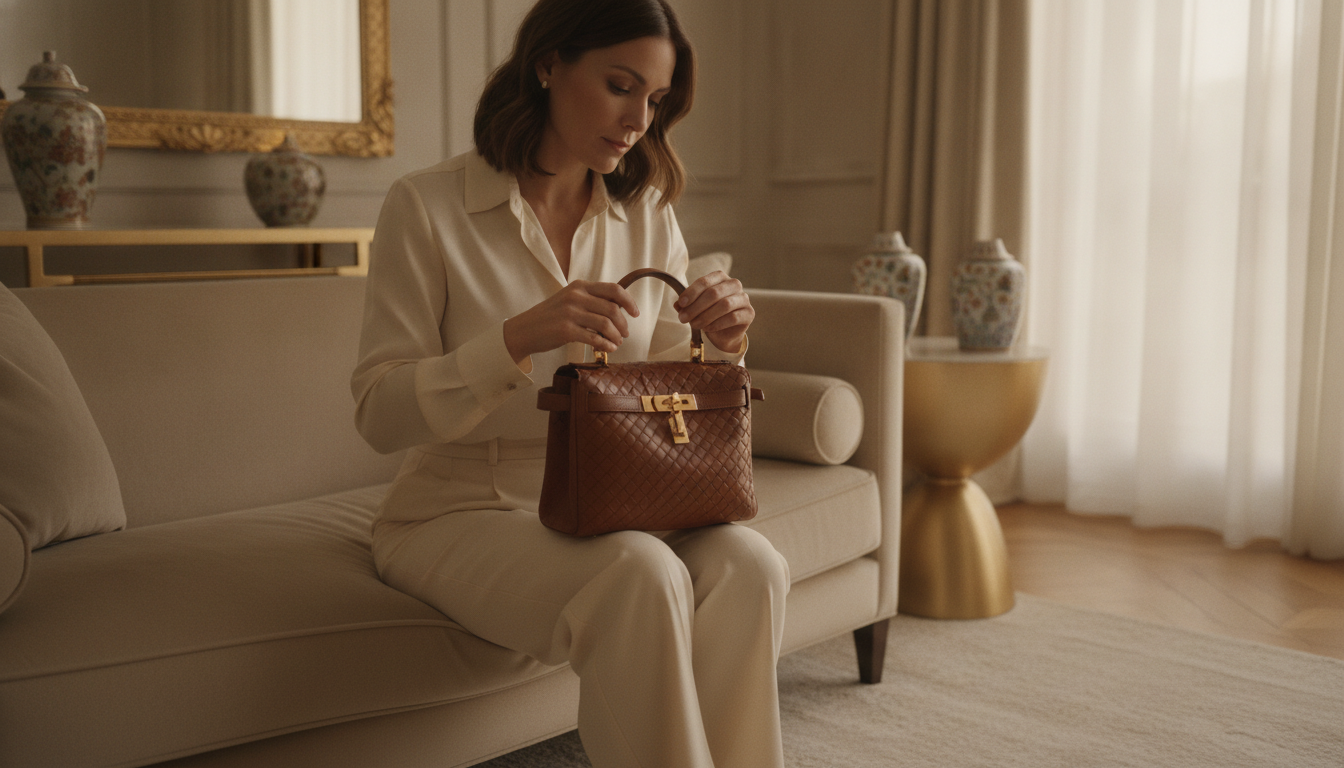
I carry my Fendi Peekaboo regularly to business meetings in downtown Manhattan. At 2.6 lbs empty and with its typical trapezoid shape, it goes perfectly with a blazer and blouse. The downside: the rigid structure makes it impractical for spontaneous city strolls when you're carrying more than a wallet and phone.
The Givenchy Antigona, at 2.1 lbs, is much lighter and more flexible. I use it for weekend trips because it keeps its shape even when overstuffed. The interior, with three compartments, is better organized than the Fendi's single main compartment. For my everyday life between editorial work and boutique visits, the Givenchy is the more practical choice.
A point that's often overlooked: Fendi bags have narrower straps that dig in faster under heavy loads. After a day with a laptop and camera, I get clear pressure marks on my shoulder with the Peekaboo. The Antigona, with its wider straps, is more ergonomic here.
Weather Resistance in Rainy New York Weather
In November 2023, a rain shower caught me with my calfskin Fendi Baguette. Despite drying it off immediately, water stains formed that could only be removed by professional cleaning for $120. Fendi recommends waterproofing spray, which I had ignored beforehand.
My Givenchy in grained leather survived the same test without visible damage. The sturdier material forgives weather changes better, even if it looks less luxurious. For a rainy climate, that's a clear plus for Givenchy.
Financing and Purchase Options: What's Realistic?
When I bought my first Fendi in 2021, I used an installment plan over 12 months. Many people don't think about the hidden costs of installment plans, but on my loan at the time, 8.9% interest was added – $2,200 effectively became $2,398.
Today I'd do it differently. Several boutiques offer 0% financing for luxury purchases through partners like Affirm or Klarna. The requirements: a good credit score and steady income. I used that to finance my latest Givenchy over 6 months, with no extra costs.
The secondhand market is another option. On Vestiaire Collective I found a Fendi Peekaboo in good condition for $2,100 instead of $3,800 new – a saving of 45%. For Givenchy, discounts are similarly high at an average of 40%. Authentication is included, so the risk of fakes is minimal.
Resale Value: The Investment Perspective
I regularly sell bags through Rebag and Vestiaire Collective to make room for new pieces. That shows: Fendi classics like the Baguette or Peekaboo fetch 65-72% of the retail price after two years in very good condition. Givenchy comes in at 55-68%, with newer models doing worse than the Antigona.
According to Rebag's Clair Luxury Resale Report 2024, Fendi is among the top 10 most value-stable luxury brands, with an average resale value of 68% after three years. Givenchy is at 61%. The difference may seem small, but on a $3,000 bag it means $210 more residual value.
Interesting: limited editions from Fendi, such as collaborations with Joshua Vides or FILA, partly rise in value. A Fendi x FILA Peekaboo, bought in 2018 for $3,200, now trades on Grailed for up to $4,800. For Givenchy, I don't know of any comparable case.
My Personal Recommendation After Three Years
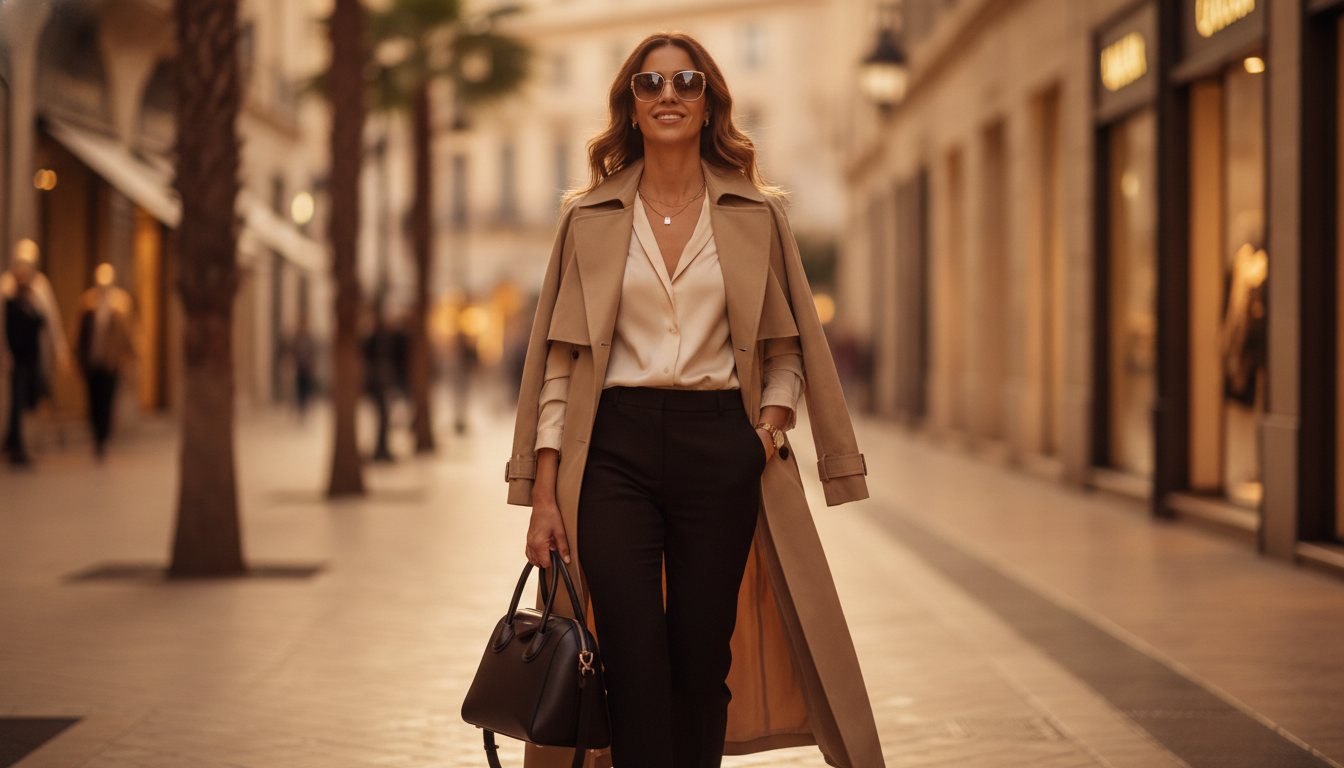
If I faced the same decision today, I'd differentiate by budget and usage scenario. For business settings, formal events and long-term investment, I choose Fendi. The quality justifies the premium, and the resale value is measurably better.
For everyday use, travel and trend-conscious styling, Givenchy is the smarter choice. You pay 20-25% less, get more practical designs and can invest the money you save in more pieces. My Givenchy Antigona gets more wear days per year than any of my Fendi bags, simply because it's less fussy.
A third way: buy a classic Fendi secondhand and a current Givenchy new. That way you combine timeless elegance with modern design without blowing your budget. This is exactly the strategy I've followed since 2023, and my bag portfolio has gained versatility as a result.
Frequently Asked Questions About the Fendi Givenchy Comparison
Which brand is better: Fendi or Givenchy?
Fendi offers higher material quality and better resale value, with an average of 68% after three years according to Rebag. Givenchy scores with prices 20-25% lower and more practical everyday designs. The choice depends on your priorities: long-term investment speaks for Fendi, value for money and trend appeal for Givenchy.
How exactly do prices differ between Fendi and Givenchy?
Fendi entry-level models start at $1,800, icons like the Peekaboo at $3,200. Givenchy, with entry prices around $1,650 and the Antigona Medium at $2,400, is on average 15-25% lower. For both brands, special editions and exotic leathers are significantly more expensive.
Is a Fendi or Givenchy handbag worth it as an investment?
Both brands lose 28-32% of their value in the first year according to Rebag data. Fendi classics then stabilize at 65-72% of the retail price, Givenchy at 55-68%. As a pure financial investment, both are only moderately suitable. The value lies in personal use and the joy of wearing it.
What quality differences are there between Fendi and Givenchy?
Fendi mostly uses grade A and AA leather with artisanal precision from its own Italian tannery. Givenchy more often uses grade B with industrial manufacturing. In practice this shows after two years: Fendi bags develop a natural patina, while Givenchy models show signs of wear on corners and hardware sooner.
Can I finance Fendi and Givenchy bags?
Many boutiques and online retailers offer installment payments through partners like Klarna or Affirm. Look for 0% financing offers to avoid interest costs. With standard loans, 8-12% interest is often added, which can quickly turn a $3,000 bag into $3,360.
Conclusion: Two Brands, Two Philosophies
After three years of heavy use of both brands, my conclusion is nuanced. Fendi justifies the higher price through demonstrably better materials, craftsmanship and more stable resale value. If you're looking for a bag for 10+ years and budget doesn't play a major role, Fendi is the better choice. The iconic models like the Baguette and Peekaboo will never go out of style.
Givenchy offers the better value for money for fashion-conscious shoppers who want to swap out their main bag every 3-5 years. You save $500-$1,000 compared with Fendi, get more practical designs and can try more trendy pieces. For my lifestyle as a blogger who regularly needs new looks, that's the smarter strategy.
My personal collection today consists of two Fendi classics for special occasions and three Givenchy models for everyday. This mix gives me flexibility without compromising on quality. If you have to choose between the two brands: think honestly about how often you'll carry the bag and how important resale value is to you. The answer to that decides which brand is truly worth it for you.