Designer Bag Appreciation: Which Models Are Really Worth It

Reading time: 5 minutes
Three years ago I bought a Hermès Birkin for $10,000. Last month I was offered $14,800 for the same model. That's exactly why I look so closely at designer bag appreciation, because not every luxury bag behaves like my Birkin. Most even lose significant value the moment they leave the store.
In this article I'll show you which models actually work as a bag investment and how to recognize them beforehand. I'll also clear up a few myths I keep running into in forums and comment sections.
Designer bag appreciation: what's really behind it?
Designer bag appreciation doesn't happen by chance, but through a combination of scarcity, brand strength and demand. Hermès, for example, deliberately produces fewer bags than the market demands. This artificial scarcity drives resale value up, especially for the Birkin and Kelly in rare colors or leathers like Togo or Epsom.
Other brands do the opposite and produce in large quantities. That explains why a Coach bag or many mid-price models lose value immediately after purchase. According to a Statista analysis of the luxury goods market, the global secondary market for luxury items keeps growing, which shows how relevant resale values have become for purchasing decisions (Source: Statista).
The most important factors for resale value
When I assess a bag's appreciation potential, I look at fixed criteria. Over the years they have proven reliable for me.
- Availability: the more limited the run, the higher the later demand on the secondary market.
- Material quality: genuine leather such as Hermès Togo lasts for decades and still looks high-end even when pre-owned.
- Timelessness: classic shapes like the Chanel Classic Flap don't lose appeal when trends change.
- Brand history: brands with a long tradition of craftsmanship, such as Hermès or Chanel, build trust that is reflected in the price.
Which designer bags actually hold or increase their resale value
Not every expensive bag is automatically a good investment. Here I compare the models that have proven stable in my own observation and in conversations with other collectors.
The Hermès Birkin and Kelly are undisputed leaders. With rare colors like Rouge H or exotic leathers like crocodile, the resale price can even exceed the original purchase price. The medium Chanel Classic Flap follows closely behind, especially in black with gold hardware, since this model has been produced almost unchanged for decades.
Certain Louis Vuitton models like the Capucines or limited collaborations with artists also show stable to rising resale values. If you're interested in an investment along these lines, the comparison between Balenciaga and Celine reveals interesting differences in value development, which I covered in detail in my article on the brand comparison of Balenciaga and Celine as an investment.
Limited-edition designer bags as a special case
Limited-edition designer bags from collaborations, for example with artists or other fashion houses, can see huge price jumps in the short term. Caution is advised, though, because the hype often fades faster than many expect. A limited bag is mainly worthwhile as an investment when the brand behind it already has a stable value base.
Finding a designer bag with high appreciation: here's how I do it
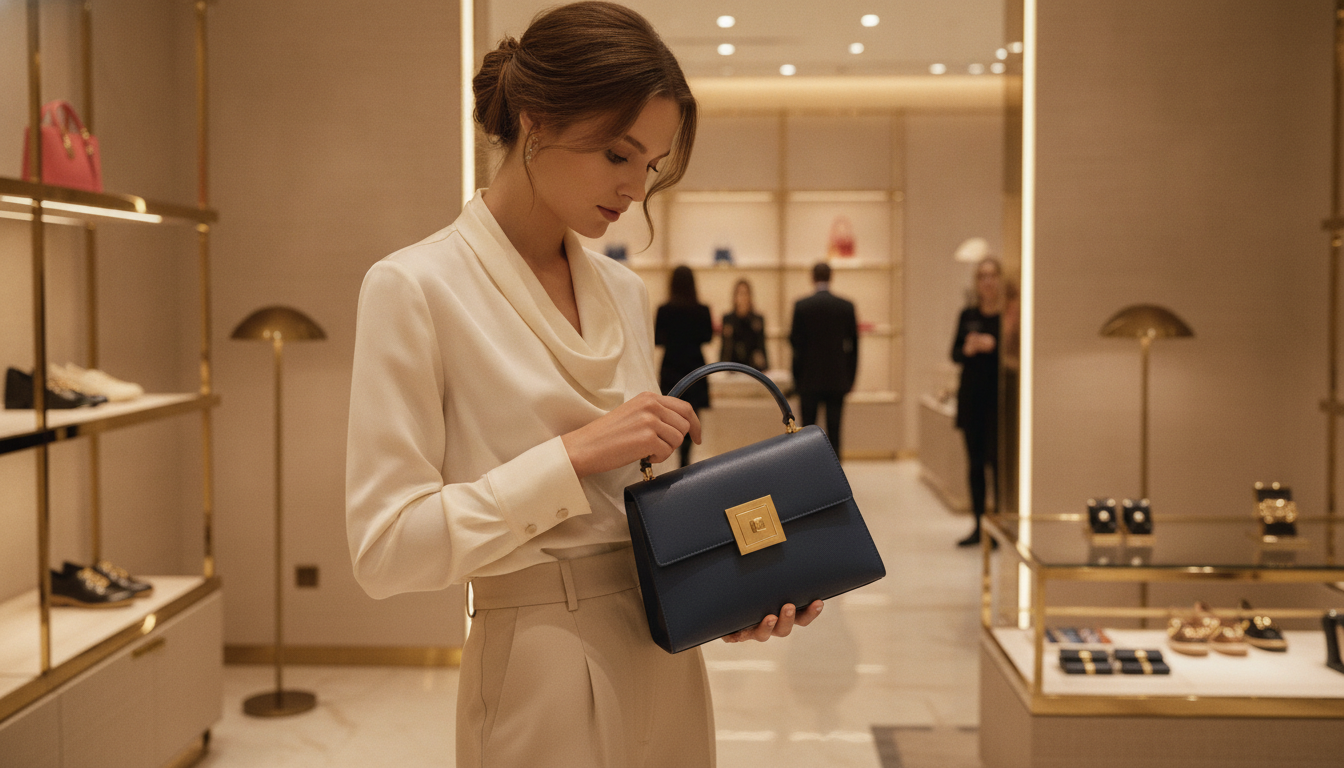
To find a designer bag with high appreciation, a glance at the brand name isn't enough. I always check the condition, the rarity of the model and current demand on reputable resale platforms before I make a purchase decision.
One practical trick of mine: I compare the current retail price with the average price on Rebag or Vestiaire Collective for the same model in comparable condition. If the pre-owned price is over 80 percent of retail, that's a strong signal of stable value development. With Birkin models in good colors, I regularly see values above 100 percent.
If you're considering buying a value-holding bag through financing, take a look at my post on value-holding designer bags as a smart investment first. There I go into more detail on when financing really pays off given potential appreciation.
Holding an investment bag long-term pays off if you keep these points in mind
Holding an investment bag long-term only pays off if you also care for and store it properly. You should always keep the dust bag, original packaging and proof of purchase, since they noticeably increase resale value. With Hermès bags, a complete set of box, felt protector and receipt can raise the selling price by several hundred dollars.
Buying a bag as an investment: financing and risks
Many of my readers ask whether buying a bag as an investment is also worthwhile with an installment plan. My honest answer: it depends heavily on the terms. If the interest exceeds the expected appreciation, the investment no longer pays off financially.
Before you take out financing, you should definitely compare providers. In my big test of installment providers for designer bags I show what to look out for in the terms. The APR also plays a decisive role, and I've written a separate guide on the APR for fashion loans.
One risk always remains: trends change, and even brands considered safe today can lose relevance in ten years. That's why I would never put all my savings into a single bag, no matter how stable the luxury bag's value development looks right now.
Frequently asked questions about designer bag appreciation
Which designer bag appreciates the most?
The Hermès Birkin in rare colors and exotic leather has historically shown the strongest appreciation of all designer bags. The Kelly bag follows the same pattern, especially in smaller sizes.
Is a designer bag really worth it as an investment?
Yes, but only for a few models from limited production with proven brand strength. Most bags lose value after purchase.
How do I calculate the resale value of a designer bag?
Compare the condition of your bag with similar listings on reputable resale platforms and work out an average price. Condition, completeness of accessories and rarity strongly influence the price.
Which bag brands lose the most value?
Brands with very high production volumes and frequent collection changes usually lose value fastest. That includes many mid-price models without classic status.
From what price is a bag worth it as an investment?
There's no clear price threshold; what matters is the combination of brand, model and rarity. Even bags starting at $2,200 can pay off if they're limited and in demand.
My conclusion on designer bag appreciation
Designer bag appreciation isn't a myth, but it only applies to a small selection of models with real rarity and brand strength. Anyone who thinks long-term, takes care of condition and accessories and does thorough research before buying can indeed build a stable investment with the right bag. Before your next purchase, take a calm look at the current resale values of comparable models before you commit. That can spare you an expensive wrong decision.